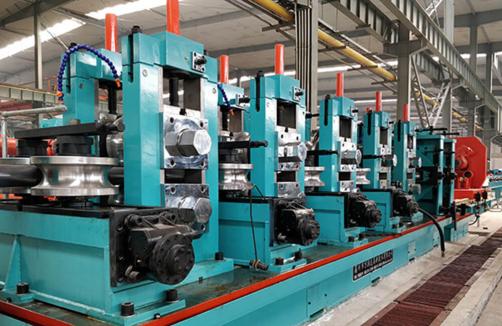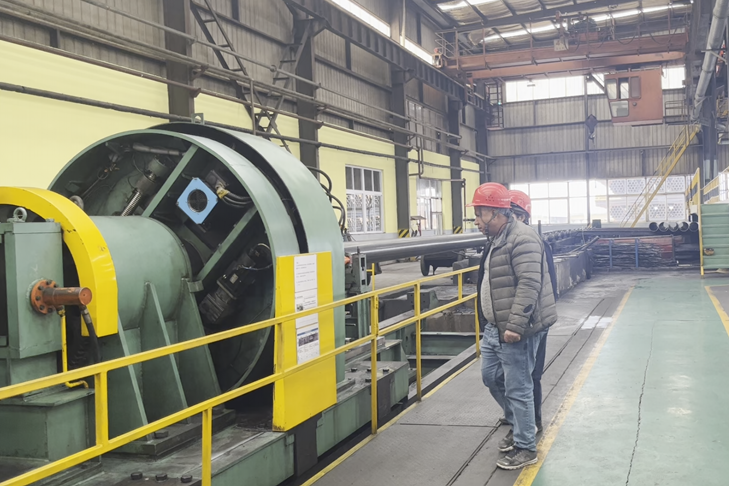

Building a new API pipe mill is one of the most complex projects in the steel pipe industry.
A successful project requires coordination between:
- ·Equipment suppliers
- ·Civil contractors
- ·Utility providers
- ·Automation engineers
- ·Production teams
- ·Quality departments
-
Unfortunately, many projects encounter delays, budget overruns, or production challenges because critical risks are underestimated during the planning stage.
After more than 25 years of involvement in API pipe mill projects worldwide, we have identified seven common risks that every investor and project manager should understand.
Risk 1: Choosing Equipment Based Only on Price
Low-cost equipment may appear attractive during procurement.
However, insufficient attention to:
- ·Process capability
- ·Equipment quality
- ·Supplier experience
-
can create significant operational challenges after startup.
A pipe mill should be evaluated based on total lifecycle value, not purchase price alone.
Risk 2: Inadequate Production Planning
Many projects are designed around current market demand.
However, production requirements often change within a few years.
Project managers should consider:
- ·Future pipe sizes
- ·Higher steel grades
- ·Automation upgrades
- ·Expanded capacity requirements
-
Designing for future flexibility reduces long-term investment risk.
Risk 3: Poor Factory Layout
Factory layout directly impacts:
- ·Material handling efficiency
- ·Maintenance accessibility
- ·Operator safety
- ·Production flow
-
Layout problems are difficult and expensive to correct after commissioning.
Early planning is essential.
Risk 4: Underestimating Utility Requirements
API pipe production requires reliable:
- ·Electrical systems
- ·Compressed air systems
- ·Cooling water systems
- ·Material handling equipment
-
Insufficient utility planning often causes commissioning delays.
Risk 5: Weak Commissioning Management
The commissioning stage determines whether equipment can achieve design performance.
Successful commissioning requires:
- ·Clear responsibilities
- ·Detailed scheduling
- ·Operator participation
- ·Process optimization
-
Projects that rush commissioning often experience long-term production instability.
Risk 6: Insufficient Operator Training
Even advanced equipment cannot perform properly without trained operators.
Operator training should cover:
- ·Forming adjustment
- ·Welding control
- ·Quality inspection
- ·Maintenance procedures
- ·Production troubleshooting
-
Training is an investment, not an expense.
Risk 7: Lack of Long-Term Technical Support
Many project teams focus entirely on installation.
However, true success is measured during years of operation.
Reliable technical support helps manufacturers:
- ·Improve efficiency
- ·Reduce downtime
- ·Optimize production
- ·Solve unexpected issues
-
Long-term support often determines the difference between average and excellent performance.
Why Experience Matters
Every API pipe mill project is unique.
Equipment suppliers with extensive industry experience can often identify potential risks before they become expensive problems.
This reduces:
- ·Startup delays
- ·Cost overruns
- ·Production instability
- ·Operational uncertainty
-
Final Thoughts
The most successful API pipe mill projects are not necessarily the largest or the most expensive.
They are the projects that combine:
- ·Strong planning
- ·Reliable engineering
- ·Flexible technology
- ·Effective project management
-
After 25 years dedicated to steel pipe production lines, we continue helping manufacturers reduce project risk and build stable, profitable API pipe manufacturing operations.
#APIPipeMill #ProjectManagement #API5L #API5CT #OCTG #TubeMill #SteelPipe #IndustrialProjects #RiskManagement #ManufacturingExcellence#ERWTubeMill
Contact WRD