
Global demand for API steel pipes continues to grow across oil & gas transportation, energy infrastructure, offshore engineering, and industrial pipeline projects. As more manufacturers enter the market, investment in API pipe mills has become increasingly active worldwide.
However, many investors underestimate the complexity of building a successful API pipe manufacturing facility.
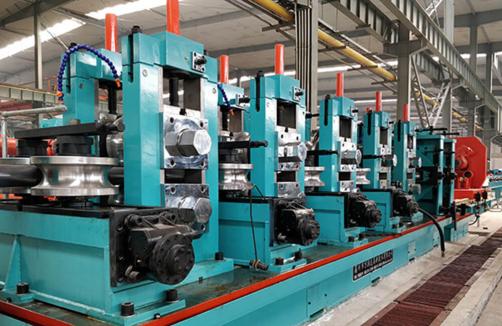
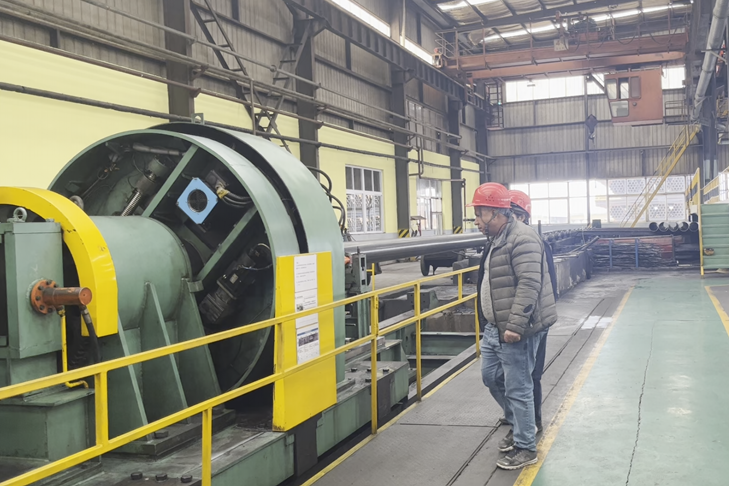
An API pipe mill is not simply a collection of machines. It is a complete industrial manufacturing system that requires integration between forming technology, welding stability, automation control, process engineering, and long-term production reliability.
After more than 25 years focused on steel pipe production lines, we have seen many projects succeed — and many fail — based on decisions made during the early investment stage.
1. Equipment Selection Alone Is Not Enough
Many buyers focus primarily on machine specifications and price comparison.
But successful API pipe production depends far more on:
· Process stability
· Production consistency
· Automation synchronization
· Engineering integration
· Future upgrade capability
· Long-term maintenance efficiency
For oil & gas pipe manufacturing, stable production is often more valuable than maximum theoretical speed.
2. Choosing the Right Forming Technology
Different API pipe products may require different forming methods depending on:
· Pipe diameter range
· Wall thickness
· Steel grade
· Production speed
· Final application
The most common forming technologies include:
· FFX forming
· FF forming
· Cage forming
· Traditional roll forming
Each method has advantages and limitations.
Selecting the wrong forming technology may lead to:
· Excessive roll consumption
· Unstable welding quality
· Frequent adjustment downtime
· Higher production cost
3. Automation Is Becoming Essential
Modern API pipe mills increasingly require intelligent automation systems.
Advanced production lines now integrate:
· PLC control systems
· Servo synchronization
· Flying saw automation
· Online defect inspection
· Digital production monitoring
· Intelligent HMI interfaces
Automation improves not only efficiency but also product consistency and operational reliability.
4. Factory Layout Planning Matters
Production line layout is often underestimated during project planning.
A properly designed API pipe mill layout improves:
· Material flow efficiency
· Maintenance accessibility
· Safety conditions
· Expansion capability
· Production logistics
Poor layout design may create operational bottlenecks for years.
5. Long-Term Technical Support Is Critical
Many buyers focus only on equipment delivery.
In reality, long-term success depends heavily on:
· Commissioning support
· Operator training
· Process optimization
· Spare parts management
· Technical troubleshooting
Choosing an experienced engineering partner can significantly reduce operational risk.
Global Demand for API Pipe Production
Growing investment in oil & gas infrastructure continues across:
· Middle East
· Southeast Asia
· North Africa
· Central Asia
· South America
This creates long-term demand for:
· API 5L pipe mills
· API 5CT production lines
· OCTG equipment
· ERW tube mills
· High-grade steel pipe manufacturing systems
The future belongs to manufacturers capable of combining reliable equipment, intelligent automation, and stable process engineering.
After 25 years in the steel pipe industry, we continue to believe that successful projects are built not only with machines, but with engineering experience and long-term customer cooperation.
Contact WRD