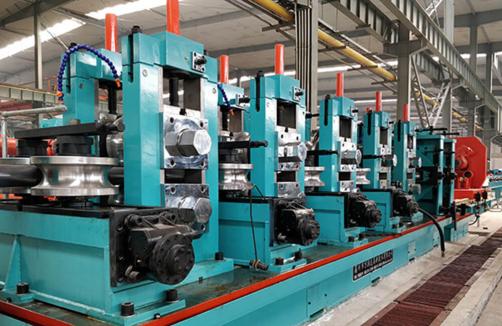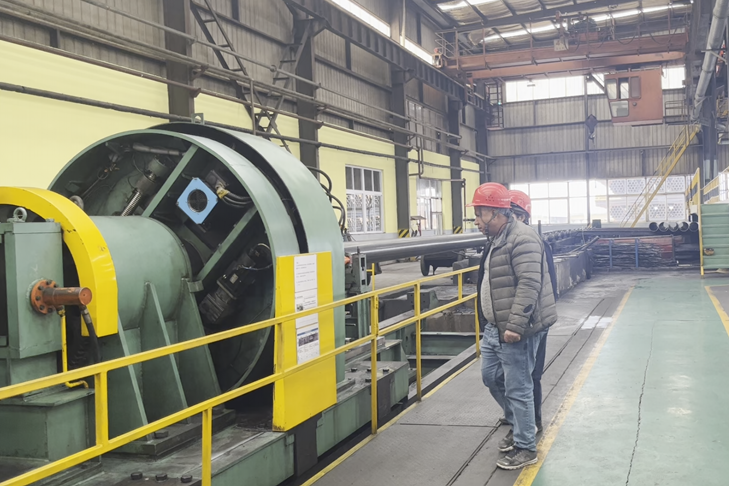

When purchasing an API Pipe Mill, one of the most important stages comes before final project acceptance:
How will the buyer verify that the equipment actually meets the agreed performance?
Many equipment contracts contain extensive technical specifications.
But if the acceptance criteria are vague, both buyer and supplier can face disagreements later.
After more than 25 years working with steel pipe production line projects, we believe performance acceptance should be discussed during contract preparation — not after commissioning.
FAT and Final Performance Testing Are Different
Factory Acceptance Testing (FAT) can help verify equipment before shipment.
Depending on the equipment and project arrangement, FAT may include:
· Mechanical inspection
· Electrical checks
· Control-system testing
· Component verification
· Documentation review
But a complete API Pipe Production Line cannot always demonstrate its full manufacturing capability before installation at the customer's plant.
Final performance therefore also needs verification after installation and commissioning.
Define What “Successful Production” Means
Simply producing one pipe is not enough.
Acceptance criteria should clearly define the required performance.
Depending on the project, this may include:
· Product size
· Wall thickness
· Material grade
· Production speed
· Dimensional tolerance
· Continuous operating period
· Quality requirements
· Applicable testing results
The more clearly these conditions are defined before contract signing, the fewer disputes occur later.
Use Representative Products
Testing only the easiest product in the range may not demonstrate the real capability of the production line.
Buyers and suppliers should agree on representative specifications that meaningfully test the equipment envelope.
This may include products representing:
· High forming load
· Critical thickness
· Important commercial sizes
· Required material grades
The objective should be realistic verification, not simply passing a ceremonial test.
Raw Material Conditions Must Be Defined
Performance tests depend on the material supplied.
Therefore, the agreement should clarify relevant raw-material conditions.
Otherwise, poor material can be blamed on equipment — or equipment problems can be blamed on material.
Clear boundaries protect both parties.
Responsibilities Should Be Clear
Before commissioning, define who provides:
· Raw material
· Utilities
· Operators
· Testing facilities
· Consumables
· Measurement equipment
Many commissioning disputes are actually responsibility-definition problems.
Documentation Matters
Acceptance should also verify that the customer receives the documentation required to operate and maintain the production line.
Depending on the project, this may include:
· Operating manuals
· Electrical drawings
· Mechanical drawings
· Spare-parts lists
· Maintenance instructions
· Relevant certificates
The equipment is only one part of the delivered production capability.
Final Thoughts
The best time to discuss performance acceptance is before the purchase order is signed.
After more than 25 years in steel pipe production line projects, we believe clear acceptance criteria protect both the investor and the equipment supplier.
A good contract should answer a simple question:
How will both sides objectively know that the production line has achieved what was promised?
That clarity can prevent major technical and commercial disagreements later.
#APIPipeMill #FAT #PerformanceAcceptance #ERWTubeMill #API5L #SteelPipeManufacturing #ProjectManagement #IndustrialEquipment #Commissioning
Contact WRD